


Introduction
A cheese with a legacy spanning centuries, holds a special place in culinary delights. This post embarks on a journey to explore the intriguing history of Roquefort, delving into the artisanal process that gives this cheese its distinctive characteristics and celebrating its remarkable versatility in the kitchen. Using the Academy of Cheese’s Make Post-Make model, we’ll break down the stages of production and apply the Structured Approach to Tasting Cheese to fully appreciate its complex flavours. Join us as we uncover the history, craftsmanship, and flavour layers that make Roquefort a timeless and beloved cheese.


The History of Roquefort
Roquefort is an ancient cheese revered for centuries, often called “the cheese of kings and popes” in France. Legend has it that over a thousand years ago, a young shepherd, distracted by his sweetheart, left his lunch of bread and cheese in a cave. When he returned days later, he found the cheese transformed by blue-green mould, creating a flavour unlike anything he had tasted before. Whether this tale is fact or folklore, it captures the mystique surrounding Roquefort. By law, this cheese must be matured in the limestone caves of the Combalou mountain in Roquefort-sur-Soulzon, ensuring its authenticity and unique qualities.
Crafting Roquefort: The Make Post-Make Model
Roquefort’s production process can be understood through the Academy of Cheese’s Make Post-Make model, which categorises the cheesemaking process into distinct stages.
Make Stage:
Roquefort is crafted using raw milk from the Lacaune sheep, a breed that thrives in the arid, rocky landscapes of the Roquefort region. The sheep graze on wild herbs that impart unique characteristics to the milk. The make stage involves inoculating Penicillium roqueforti into the milk or sprinkling it onto the curds before moulding.
The curds are carefully managed, as they are not pressed, which helps retain moisture and promotes mould growth during maturation. After two days, the curds are pierced to introduce oxygen, a crucial step that enables the development of the blue veins.
Post-Make Stage:
The cheese is matured for at least 90 days, with the initial two weeks spent in the cool, humid atmosphere of the Combalou caves. These caves are critical during the post-make stage, as their unique microclimate fosters the development of the mould, giving Roquefort its distinctive marbling and depth of flavour.
Understanding these stages provides insight into how the traditional methods contribute to the unique characteristics of Roquefort.
Where is Roquefort Made?
By French law, only cheese processed and matured in Roquefort-sur-Soulzon may be labelled “Roquefort cheese.” While many blue-veined cheeses exist worldwide, only those that undergo final ageing in the limestone caves of Roquefort near Toulouse in southern France can carry the name. This protected designation of origin ensures the cheese’s authenticity, safeguarding its centuries-old tradition.
The Unique Role of the Combalou Caves
The limestone caves of Combalou are more than just a maturing environment—they are the essence of Roquefort’s character. The caves’ cool, humid atmosphere creates the perfect conditions for the growth of Penicillium roqueforti, contributing to the cheese’s blue veins and distinct flavour. This natural maturing process cannot be replicated elsewhere, making Roquefort unique.
This video from Academy Patron & Training partner L’école du Fromage (by Savencia) provides an inspirational glimpse of the limestone caves where the cheese matures.
Characteristics of Roquefort
Easily recognisable by its white interior marbled with blue mould, wrapped traditionally in foil featuring the symbol of a red sheep. The texture varies, often presenting a creamy, moist consistency interspersed with crumbly sections. The blue veins create delicate marbling, contributing to the cheese’s visual and textural complexity. A soft, open texture with pockets of greenish-blue mould characterises this iconic cheese.
What Does Roquefort Taste Like?
To fully appreciate the complex flavours of Roquefort, we can apply the Academy of Cheese’s Structured Approach to Tasting Cheese. This method involves assessing the cheese through a series of steps:
1: Appearance
Roquefort’s striking appearance features a creamy white body marbled with blue-green mould, offering a visual cue to its strong flavour.
2: Aroma
The aroma is intense, with earthy, mouldy notes that hint at the cheese’s depth.
3: Texture
The texture combines creaminess with crumbly sections, enhanced by the blue veins that add flavour and a slight bite.
4: Taste
On the palate, Roquefort delivers a sharp, tangy, salty burst balanced by a rich, creamy texture. Layers of herbaceous, fruity, and umami flavours unfold, with an earthy and slightly nutty undertone imparted by the sheep’s milk. The finish is savoury and salty, with the intensity varying depending on the producer and the cheese’s age.
By following this structured approach, one can genuinely appreciate Roquefort’s nuanced and complex profile.
Types of Roquefort
Though Roquefort cheese is bound by strict regulations to ensure its authenticity, variations still exist, creating subtle differences in taste, texture, and aroma. These variations can arise due to factors such as the seasonal diet of the sheep, slight differences in the cheesemaking process, and the natural variations within the caves where the cheese matures. Here’s an overview of the types of Roquefort you might encounter:
1. Roquefort Papillon
One of the most well-known and widely distributed brands of Roquefort, Papillon is characterised by its creamy texture and balanced flavour profile. The mould growth in Papillon Roquefort typically creates bold, blue veins that deliver a pronounced yet not overpowering flavour. The cheese’s taste is a harmonious blend of tangy, salty, and umami notes, with a slightly spicy aftertaste, making it suitable for various culinary uses.

2. Roquefort Société
Société Roquefort is recognised for its firm yet creamy consistency, combined with intense flavour. Produced by one of the largest makers, this type often has a more pronounced saltiness and a robust blue flavour due to its rich development of Penicillium roqueforti. It pairs excellently with sweet ingredients like honey and fruit, making it a popular choice for cheese boards and gourmet recipes.
3. Roquefort Carles
As one of the few Roqueforts still made using traditional, artisanal methods, Carles Roquefort offers a unique tasting experience. It is produced in smaller batches using raw milk from carefully selected Lacaune sheep, ensuring high quality. This cheese is known for its delicate and complex flavours, with subtle hints of spice and a rich, creamy texture. The traditional methods contribute to a milder, less salty profile compared to other commercial Roqueforts, making it a favourite among connoisseurs.
4. Roquefort Vernières
Vernières Roquefort features a strong blue mould character and a rich, creamy mouthfeel. This brand focuses on achieving a balanced intensity, where the spiciness from the blue veins is complemented by a creamy, almost buttery base. It’s a versatile cheese, ideal for cooking, spreading, or pairing with a variety of wines and foods. The texture tends to be consistent, with a slightly softer and more spreadable quality compared to other types.
Using Roquefort
Roquefort’s versatility in the kitchen makes it a favourite among cheese lovers. Here are some popular ways to enjoy this extraordinary cheese:
- On Its Own
Savour Roquefort by itself to appreciate its rich, complex flavours. Enjoy small bites to experience its creamy texture and tangy taste fully. - Crumbled on Salads
Add depth to salads by crumbling Roquefort on top, especially when paired with sweet or fruity elements like pears, apples, or dried cranberries. - In Sandwiches and Wraps
Enhance sandwiches or wraps with crumbled Roquefort. It pairs beautifully with roasted turkey, ham, or grilled vegetables. - With Fruits and Nuts
Create a sophisticated cheese board by pairing Roquefort with fruits like grapes, figs, apples and nuts like walnuts or almonds. The sweet and savoury combination complements the cheese perfectly. - In Sauces and Dressings
Melt Roquefort into a cream sauce for pasta or use it as a base for a tangy salad dressing to add flavour. - On Crackers or Bread
Serve Roquefort with a selection of crackers or bread, allowing the cheese’s flavours to take centre stage—ideal for entertaining guests. - Accompanied by Honey or Balsamic Glaze
Drizzle honey or balsamic glaze over a wedge of Roquefort to enhance its sweetness and contrast its tangy, savoury notes.
Alternatives to Roquefort
If you’re looking for a substitute for Roquefort, several blue mould cheeses offer similar intensity and moist textures:
1: Gorgonzola
This Italian classic shares a similar palate and consistency with Roquefort, featuring intricate flavours and a creamy, crumbly texture that works well in salads, on steaks, or as part of a cheeseboard.
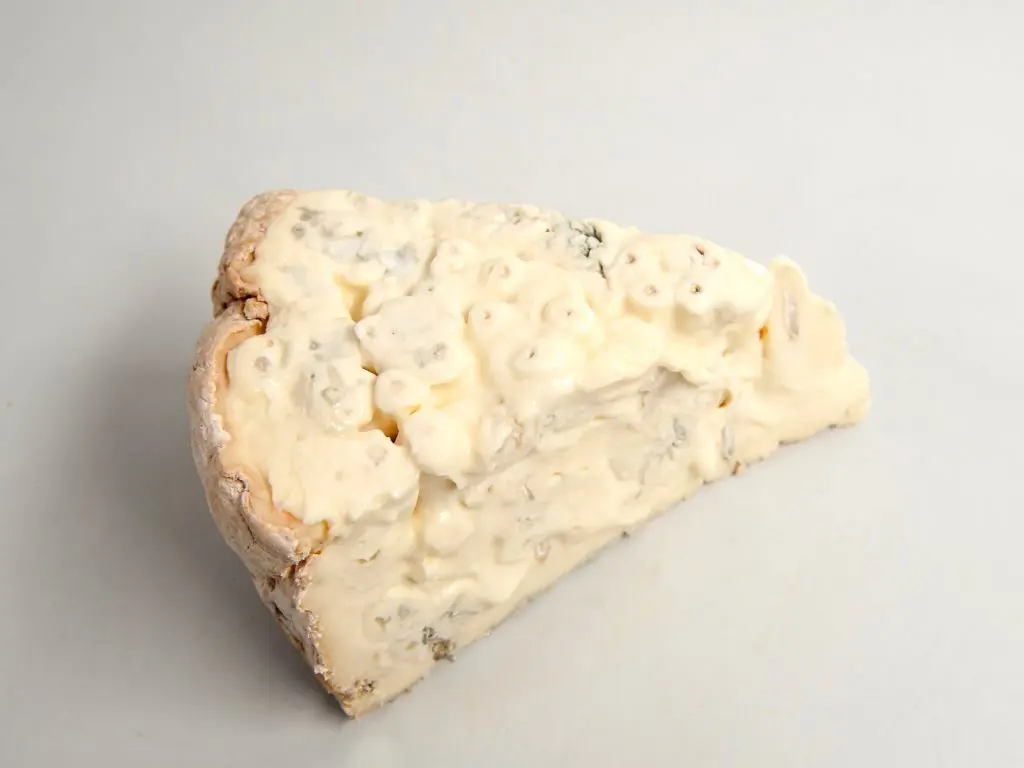

2: Stilton
Another excellent alternative, Stilton has a vibrant, firm consistency and a robust flavour profile. While slightly less intense than Roquefort, it offers earthy hints of mushroom and a satisfying complexity.


Conclusion
Roquefort is not just a cheese but a culinary experience reflecting centuries of tradition and artisanal craftsmanship. Whether enjoyed independently or as part of a dish, its complex flavours and rich history make it a must-try for any cheese enthusiast. We encourage you to explore this iconic cheese, perhaps by comparing it with other blue cheeses or incorporating it into a favourite recipe. Let Roquefort transport your palate to the rolling hills and ancient caves of southern France, where every bite tells a story.


COMMENTS